

Google Shopping Ads Management: A Complete Guide to Better Product Campaigns
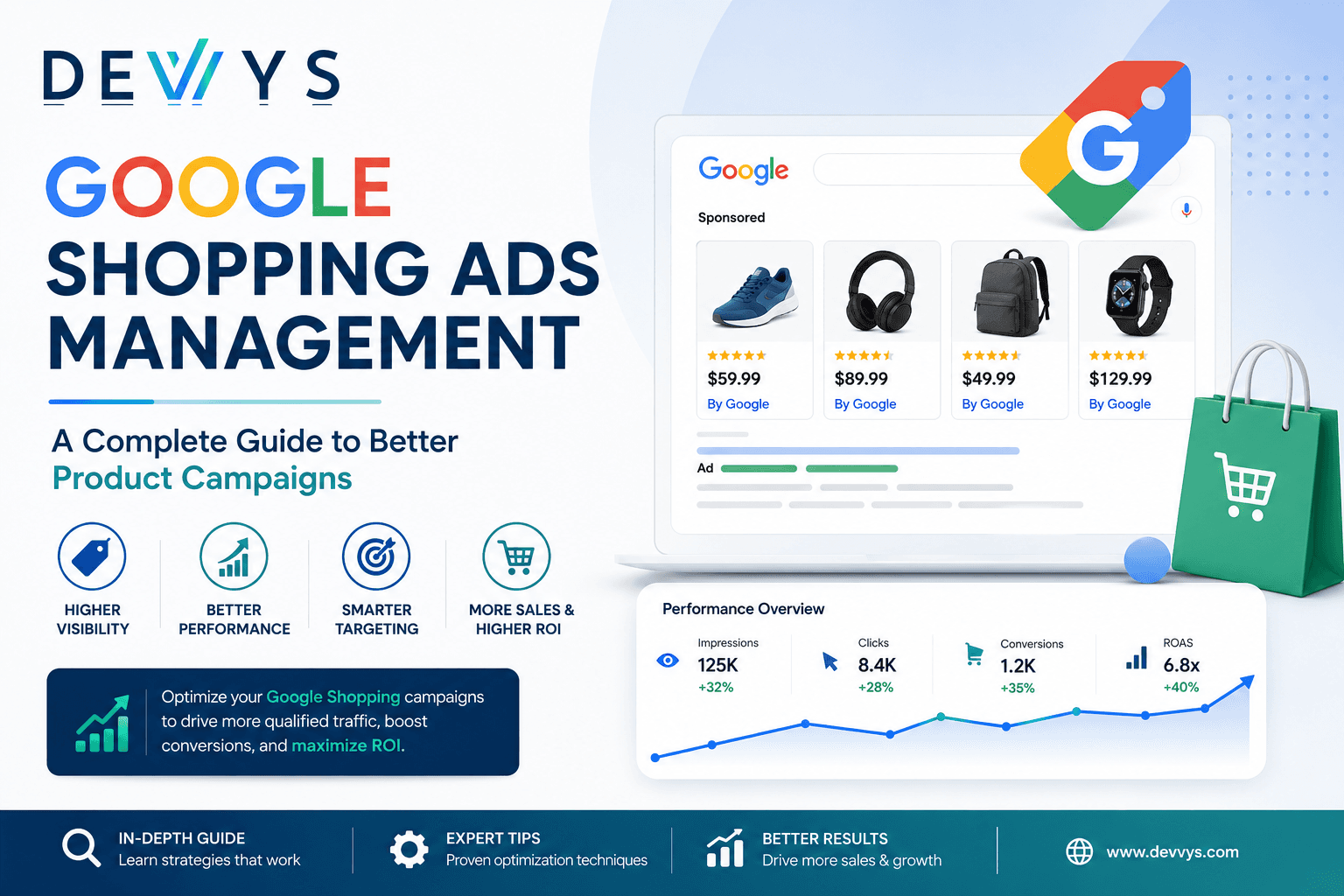
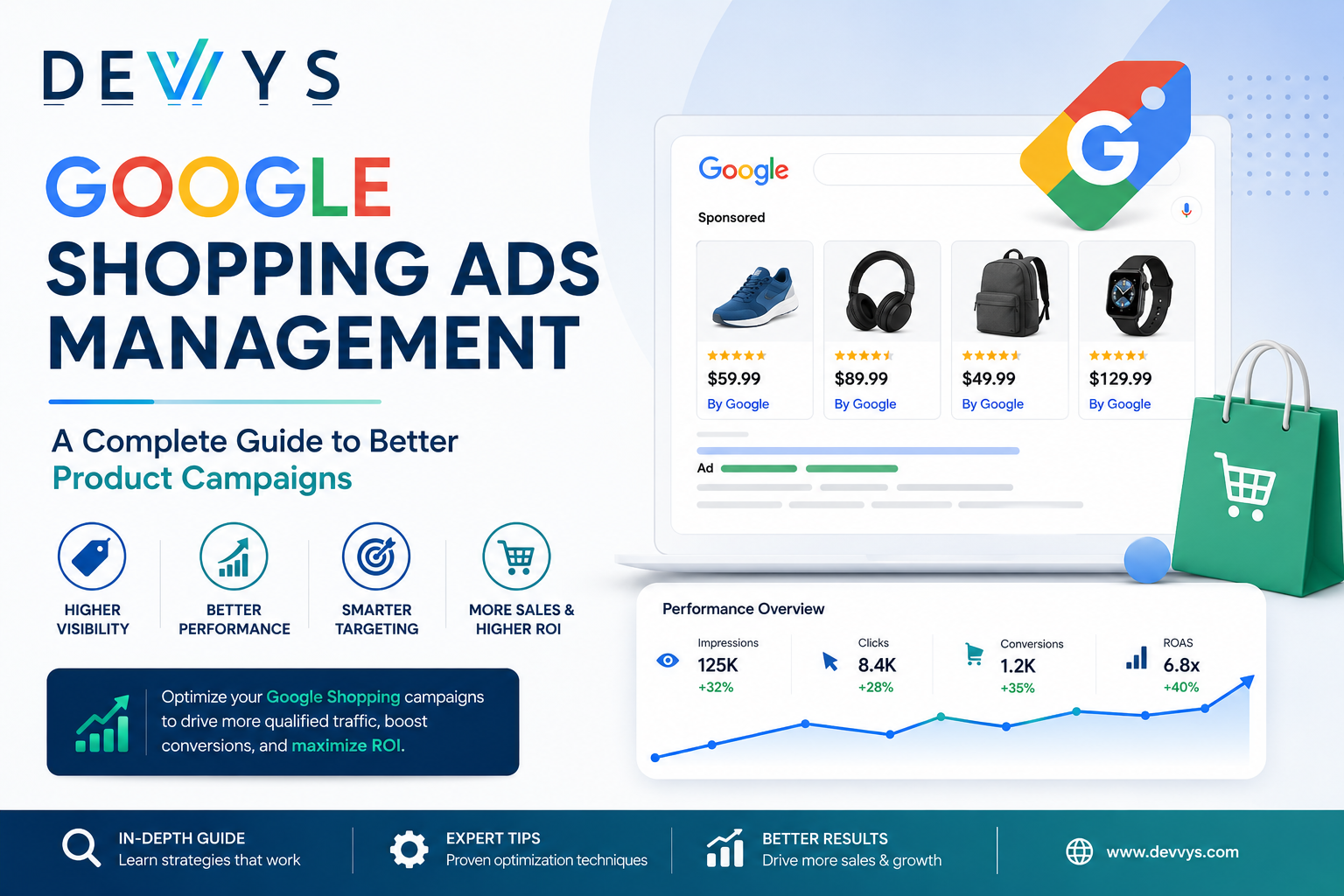
Google Shopping Ads Management is a crucial part of any ecommerce advertising strategy. Shopping ads are designed to showcase products directly in Google search results with an image, price, store name, and product details. This makes them highly effective for online retailers because they reach shoppers who are already comparing products and are often close to making a purchase.
Unlike standard text ads, Shopping Ads rely heavily on product feed quality and account organization. That means success depends on more than just creating campaigns and setting budgets. Businesses must also pay attention to product data, campaign segmentation, bidding strategy, and ongoing optimization. When managed well, Shopping Ads can become one of the strongest revenue channels for an ecommerce store.
This article explains how Google Shopping Ads Management works, why it matters, and what businesses should do to improve performance over time.
What Makes Shopping Ads Different
Shopping Ads are different from regular Google Search Ads because they do not rely on traditional ad copy in the same way. Instead, the product feed provides most of the information Google needs to display your ad. That feed includes the title, image, price, brand, product category, and availability.
Because users can see the product visually before clicking, Shopping Ads often attract more qualified traffic. A customer who clicks on a Shopping ad usually has a stronger buying intent than a user who clicks on a generic search result. That is why Shopping Ads are so important for ecommerce brands.
Why Shopping Ads Work Well for Ecommerce
They show product images directly in search.
They make pricing visible before the click.
They attract high-intent shoppers.
They can increase visibility for many product types.
The Product Feed Is the Core
The product feed is the foundation of Google Shopping Ads Management. If the feed is weak, the campaign performance will suffer no matter how good the products are. Google uses the feed to determine where and when your products appear, so the data must be accurate and well optimized.
A good feed helps your products match the right searches. It also gives Google clearer information about each item, which can improve visibility and click quality.
Feed Elements That Matter Most
Product titles.
Product descriptions.
Product images.
Price.
Availability.
Brand name.
Product category.
Unique product identifiers.
Why Feed Optimization Matters
If your titles are too vague or your images are poor, shoppers may ignore your ads. If your data is inaccurate, your products may be disapproved or shown to the wrong audience. Better feed quality usually leads to better campaign results.
Campaign Structure Should Be Intentional
A well-organized campaign structure helps businesses control spend, prioritize products, and measure performance more accurately. Many ecommerce advertisers make the mistake of putting everything into one campaign and hoping for the best. That approach often makes optimization difficult.
Instead, campaign structure should reflect business goals. Some stores separate campaigns by product category, profit margin, brand, or seasonality. Others organize campaigns based on best-selling products versus lower-priority items.
Common Structuring Options
By product category.
By brand.
By margin level.
By best sellers.
By promotional products.
By geographic market.
Why Structure Helps Performance
A clear structure makes it easier to allocate budget wisely. It also helps you see which product groups are strongest so you can scale them more effectively.
Bidding Strategy Needs Regular Review
Bidding plays a major role in Shopping Ads performance. If bids are too low, your products may not get enough exposure. If bids are too high, you may overspend without getting enough return.
There is no single bidding approach that works for every account. The best option depends on the business goal, conversion data, average order value, and product margin. Some campaigns are optimized for traffic, while others are focused on revenue or return on ad spend.
Things That Affect Bid Decisions
Product profitability.
Competition level.
Conversion rate.
Average order value.
Historical performance.
Seasonal demand.
Why Bid Management Matters
As products perform differently over time, bids should be adjusted. Best-selling products may deserve more exposure, while weaker items may need lower bids or tighter controls.
Product Titles and Descriptions Deserve Attention
Many advertisers underestimate how much product titles and descriptions affect Shopping Ads. Since these fields help Google understand your product, they should be written clearly and strategically. A vague title can reduce visibility, while a strong title can improve search matching.
Your titles should usually include the key product details that a shopper might search for. That may include brand, product type, size, color, material, or other identifying attributes.
Best Practices for Titles
Be specific and descriptive.
Include important attributes.
Avoid unnecessary fluff.
Match how customers search.
Why Descriptions Matter Too
Descriptions help Google understand the product in more detail. They also support relevance and can improve how the product is matched to search queries.
Images Influence Clicks
Shopping Ads are visual by nature, which makes product images extremely important. A strong image can improve engagement, while a low-quality or unclear image can reduce clicks.
The image should be clean, professional, and accurately represent the product. It should also follow Google’s image requirements so that the product stays approved.
Good Image Practices
Use high-resolution images.
Keep backgrounds clean when possible.
Show the product clearly.
Avoid overlays unless allowed.
Make sure images are consistent with the product listing.
Performance Tracking Is Essential
You cannot manage Shopping Ads effectively without tracking performance. Campaign data shows which products generate sales, which ones attract clicks, and where the budget is being used most efficiently.
The most important metrics for Shopping Ads are not just traffic numbers. Businesses should focus on the metrics that show revenue impact.
Important Metrics to Watch
Click-through rate.
Conversion rate.
Cost per conversion.
Return on ad spend.
Revenue by product.
Impression share.
Why Product-Level Analysis Helps
Some products may perform very well while others barely convert. By analyzing performance at the product level, you can make smarter decisions about bidding and budget allocation.
Keep the Feed Fresh
Shopping campaigns depend on current data. If your product feed is outdated, your ads may show incorrect prices or unavailable items. This can create a poor shopping experience and waste ad spend.
Regular feed updates help prevent issues and keep your ads aligned with the store.
What Should Be Updated Regularly
Price changes.
Stock availability.
New product launches.
Product category updates.
Image replacements.
Disapproval fixes.
Final Thoughts
Google Shopping Ads Management is one of the most valuable parts of ecommerce advertising. It helps businesses promote products in a visual, high-intent environment where shoppers are already looking to buy. But the results depend on how well the campaign is managed.
A successful Shopping Ads strategy starts with feed quality and continues through campaign structure, bidding, product optimization, and performance analysis. The more carefully these areas are managed, the better the campaign can perform.
For ecommerce brands, Shopping Ads are not just another ad format. They are a direct path to customers who are already interested in products like yours. When managed well, they can become one of the strongest drivers of sales and growth.