
Google Ads for Small Business: A Complete Guide to Getting More Customers
Google Ads for Small Business: A Complete Guide to Getting More Customers
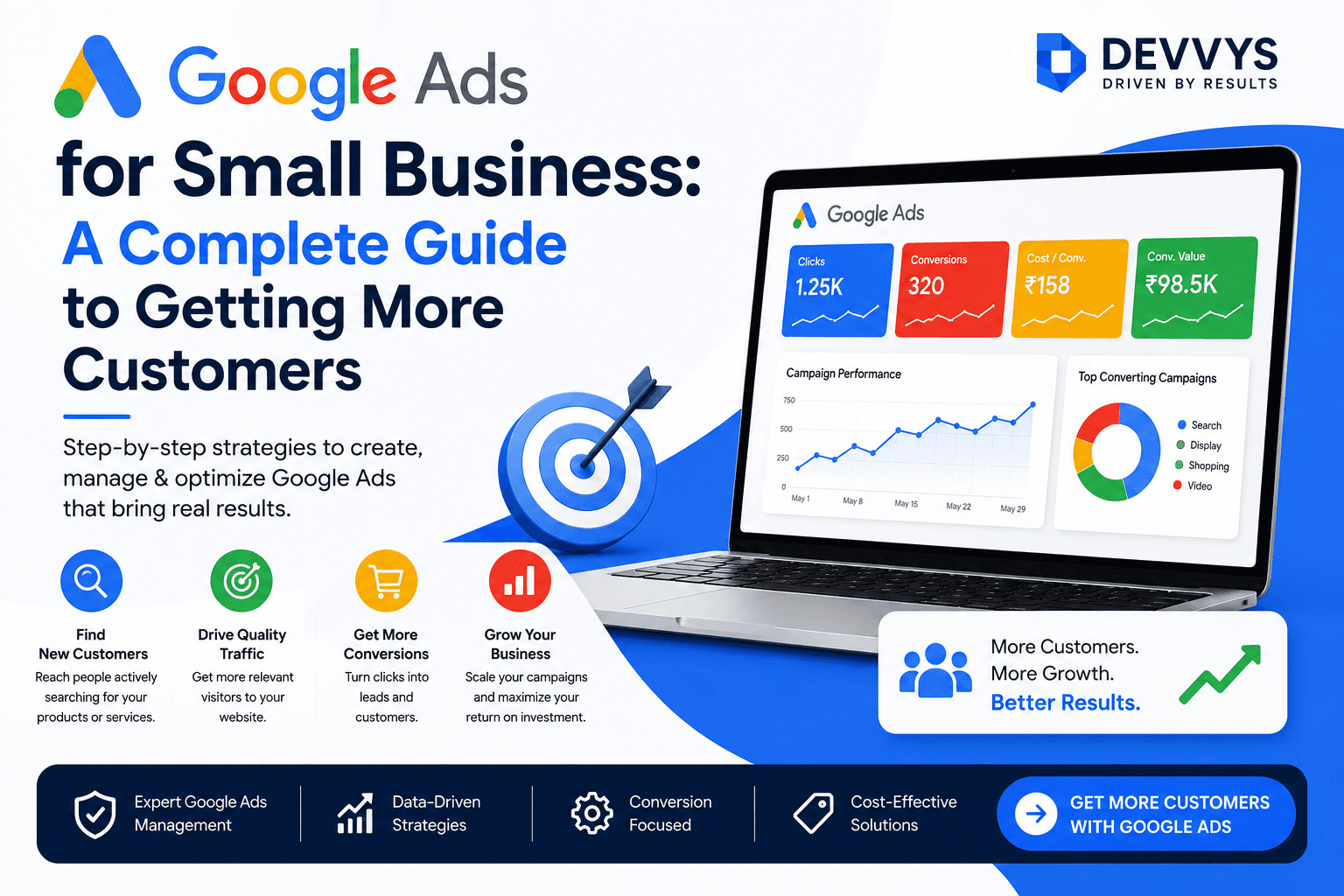
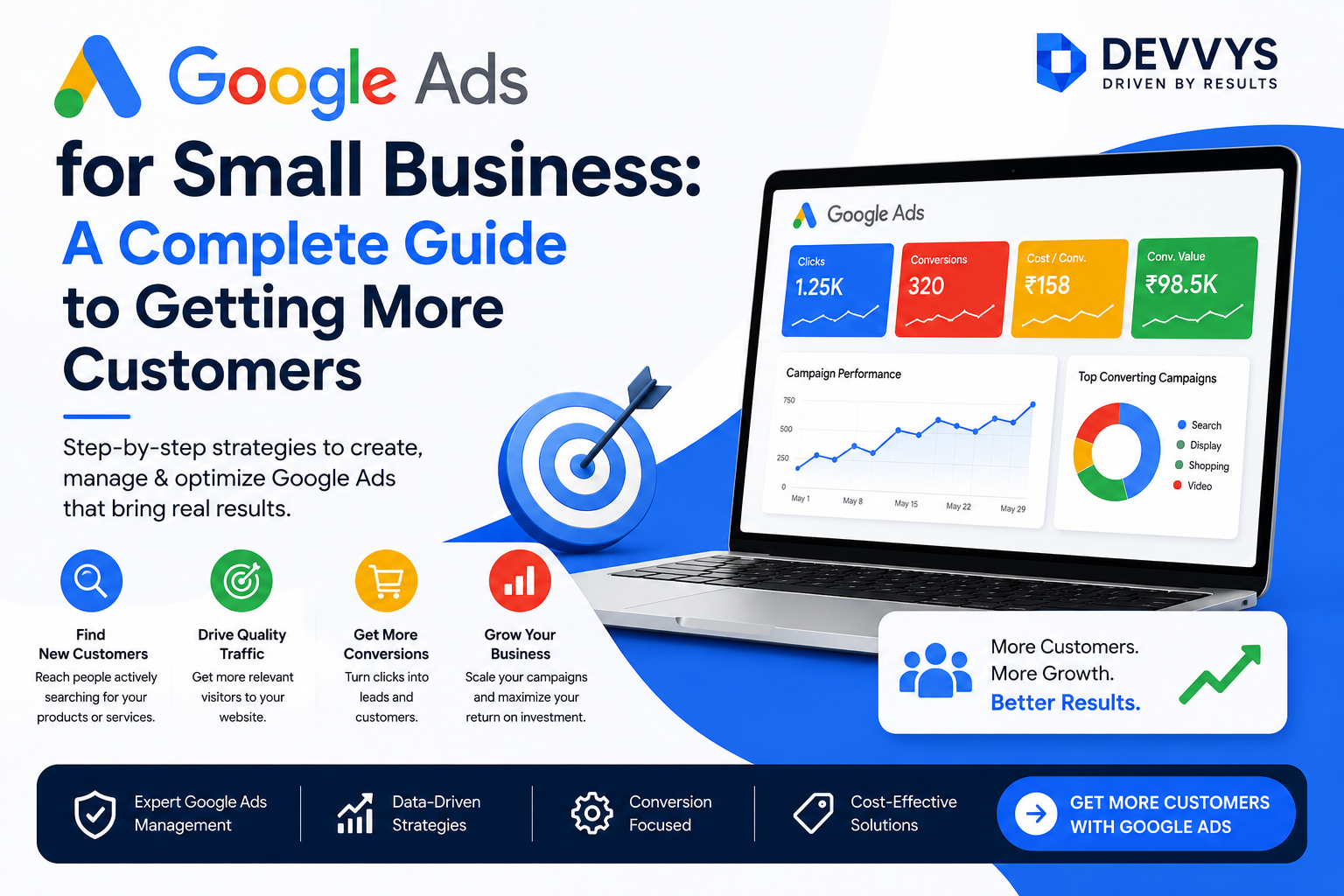
Running ads online can feel intimidating for small business owners, especially when budgets are limited and every marketing dollar matters. But Google Ads for Small Business can be one of the most effective ways to generate leads, increase sales, and reach people who are already searching for what you offer. Unlike many other forms of advertising, Google Ads lets you connect with customers at the exact moment they show intent.
That timing matters. When someone searches for a product, service, or local business, they are already expressing interest. If your business appears in front of them with the right message, you have a strong chance of getting the click and the conversion. For small businesses, this can mean more phone calls, more form submissions, more store visits, and more revenue.
The challenge is not whether Google Ads works. The challenge is whether it is set up and managed correctly. A poorly structured campaign can waste money quickly. A well-planned campaign can stretch even a modest budget and deliver strong results over time. This article explains how Google Ads for small business works, what strategies matter most, and how to build campaigns that support growth without overspending.
Why Google Ads Works for Small Businesses
Small businesses often need fast, measurable marketing results. Google Ads is useful because it reaches people who are already in search mode. That means the traffic tends to be more qualified than many other channels.
High Intent Traffic
People on Google are usually looking for something specific. If someone searches for “local plumber near me” or “best accounting services for small businesses,” they are likely much closer to taking action than someone casually browsing social media.
Clear Budget Control
Google Ads gives you control over daily and monthly spending. That makes it easier for small businesses to manage risk and avoid surprise costs.
Fast Results
Unlike SEO, which can take time to build, Google Ads can start generating traffic quickly after launch. That speed is valuable for small businesses that need momentum.
Choosing the Right Campaign Type
Not every campaign type fits every business. Small businesses should begin with the format that best matches their goals.
Search Campaigns
Search campaigns are often the best place to start because they show text ads to people searching relevant keywords. They work well for leads, service businesses, and local businesses.
Local Focused Campaigns
For businesses with physical locations, location targeting and call-focused strategies can be especially useful. These campaigns can help bring in store visits, directions, and phone calls.
Performance Max
This campaign type can help businesses reach users across multiple Google channels, but it should usually be used carefully and with good conversion tracking in place.
Keyword Strategy for Small Businesses
Keywords are the foundation of Google Ads for Small Business. Choosing the right keywords helps your ads show up for people who are more likely to convert.
Focus on High Intent
Small businesses should prioritize keywords that show clear purchase or service intent. For example, someone searching for “emergency roof repair” is often a better prospect than someone searching for “types of roofs.”
Avoid Overly Broad Terms
Broad keywords can bring in too much irrelevant traffic. That may increase clicks but reduce the quality of leads.
Use Negative Keywords
Negative keywords help block searches that do not match your business. This is one of the easiest ways to reduce wasted ad spend.
Ad Copy That Converts
Your ad copy should quickly explain what you offer, why it matters, and what the user should do next.
Keep It Simple
Small businesses do not need complicated language. Clear, direct messaging often performs better.
Highlight Benefits
Tell users what makes your business different. That could be fast service, local expertise, better pricing, or high-quality support.
Include a Strong Call to Action
Encourage the user to call, request a quote, book now, or shop today.
Landing Pages Matter
A Google ad is only as good as the page it sends people to. If the landing page is slow, confusing, or unrelated to the ad, conversions will suffer.
Match the Message
Your landing page should continue the promise made in the ad. If the ad promotes a specific service, the page should focus on that service.
Keep It Mobile-Friendly
Many small business customers use mobile devices. Your landing page should load quickly and be easy to use on smaller screens.
Tracking and Optimization
You cannot improve what you do not measure. Conversion tracking is essential for small businesses using Google Ads.
Track the Right Actions
Track leads, sales, phone calls, bookings, or other actions that matter to your business.
Review Data Often
Check performance regularly and make adjustments based on what is working.
Improve Over Time
Small changes in keywords, ad copy, bids, and landing pages can lead to better results.
Final Thoughts
Google Ads for Small Business can be a powerful growth tool when used strategically. The key is not spending the most money, but spending wisely. By focusing on intent-driven keywords, strong ad copy, optimized landing pages, and accurate tracking, small businesses can compete effectively even with limited budgets.
When managed well, Google Ads can become one of the most reliable ways to bring in leads, sales, and long-term customers.