

Shopify vs WooCommerce: Which Ecommerce Platform Is Better for Your Business?
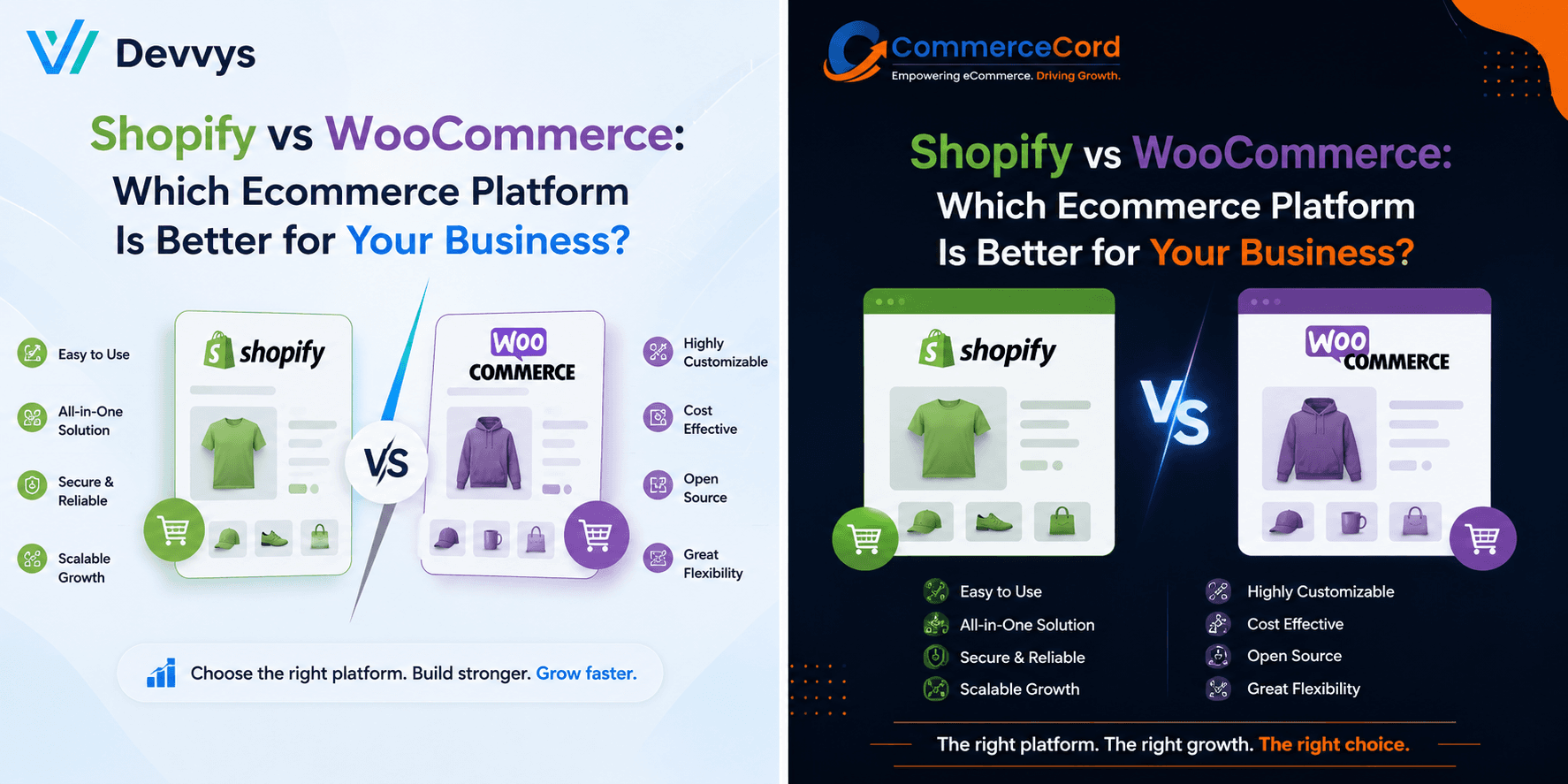
Choosing between Shopify vs WooCommerce is one of the most important decisions for any business planning to sell online. Both platforms are widely used, and both offer strong ecommerce capabilities. However, they work in very different ways, and the right choice depends on your goals, technical comfort, budget, and long-term growth plans.
Shopify is a hosted ecommerce platform designed to make store setup simple and fast. WooCommerce is a WordPress plugin that gives businesses more control and customization options, but it also requires more hands-on management. That makes the comparison between these two platforms especially important for entrepreneurs, small businesses, and growing brands.
This article breaks down the major differences between Shopify and WooCommerce so you can decide which platform is better for your business.
What Is Shopify?
Shopify is a fully hosted ecommerce platform. That means it provides the software, hosting, security, and infrastructure needed to run an online store. Users can set up a storefront, add products, process payments, and manage orders all within one system.
Shopify is popular because it is simple to use. Business owners do not need to handle server maintenance, software updates, or technical hosting setup. That makes it appealing for people who want to start selling quickly.
Main Benefits of Shopify
Easy to use.
Fast to launch.
Built-in hosting and security.
Strong ecommerce tools.
Good for beginners and growing brands.
What Is WooCommerce?
WooCommerce is an open-source ecommerce plugin for WordPress. It turns a WordPress website into an online store. Unlike Shopify, WooCommerce gives users more flexibility and control, but it also requires more technical responsibility.
Because WooCommerce runs on WordPress, users need to arrange their own hosting, security, updates, and maintenance. That makes it more customizable but also more complex to manage.
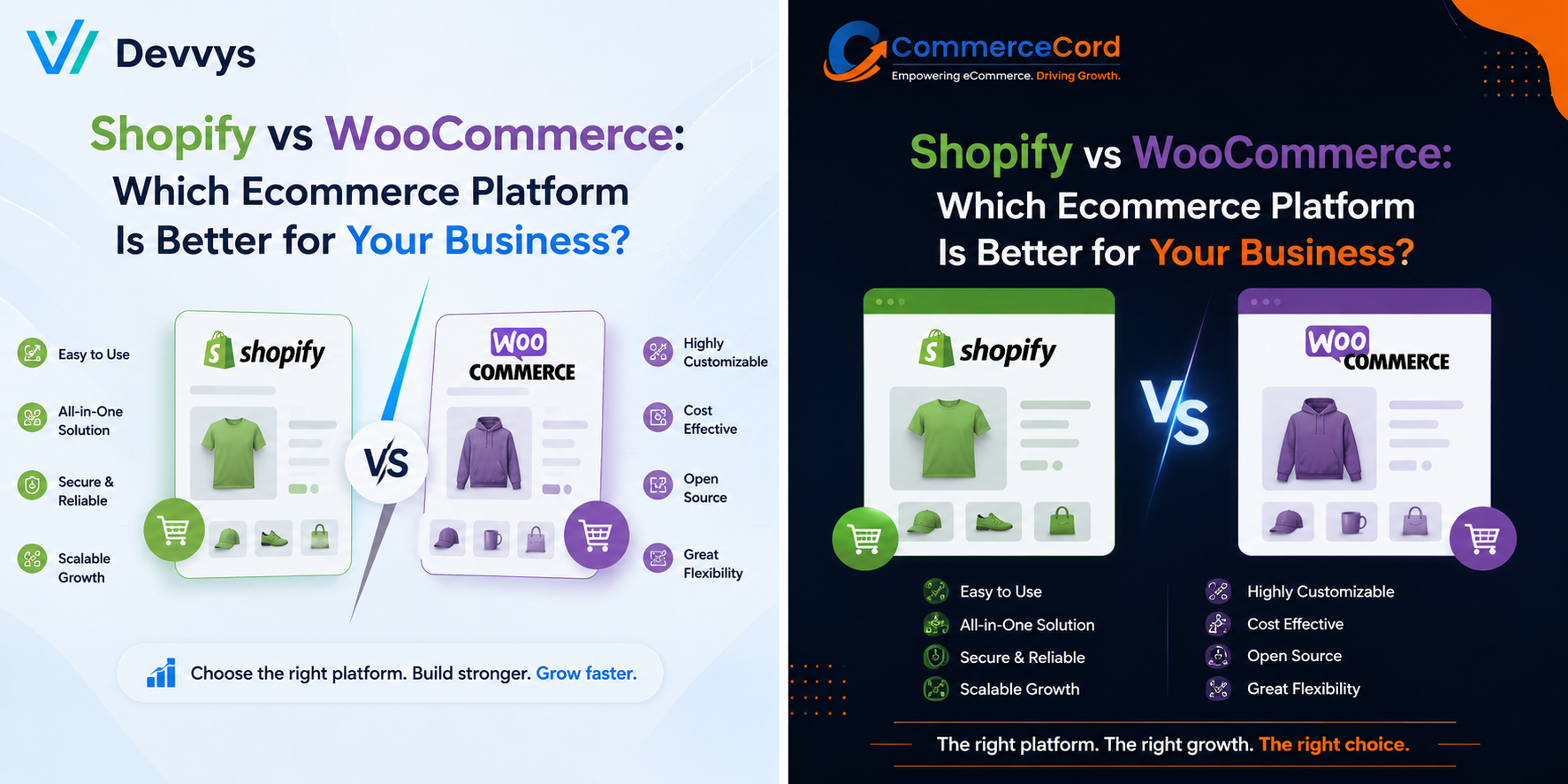
Main Benefits of WooCommerce
Highly customizable.
Strong content and SEO integration.
Flexible for WordPress users.
Large plugin ecosystem.
Good for businesses that want more control.
Shopify vs WooCommerce: Ease of Use
When comparing Shopify vs WooCommerce, ease of use is one of the biggest differences.
Shopify is easier for beginners because much of the technical setup is already handled. You can focus on products, branding, and sales instead of infrastructure. WooCommerce offers more flexibility, but it usually requires more setup and ongoing management.
For small business owners who want simplicity, Shopify often feels easier. For users already comfortable with WordPress or web development, WooCommerce can be a strong option.
Shopify vs WooCommerce: Cost
Cost is another major factor in the decision.
Shopify usually charges a monthly subscription fee, and users may also pay for apps and premium themes. WooCommerce itself is free, but users must pay for hosting, domain, security, extensions, and sometimes developer support.
That means WooCommerce may look cheaper at first, but total cost can rise depending on the level of customization and support needed. Shopify offers more predictable pricing, while WooCommerce can be more variable.
Shopify vs WooCommerce: Customization
WooCommerce is generally more flexible when it comes to customization. Because it is open-source, developers can modify nearly every part of the store. That makes it ideal for businesses with unique needs or custom workflows.
Shopify also allows customization, but within a more structured framework. It is easier to use, but it may have more limitations compared to WooCommerce.
For businesses that need deep customization, WooCommerce may be the better fit. For businesses that want a simpler system with strong built-in functionality, Shopify is often more practical.
Shopify vs WooCommerce: SEO
Both platforms can support good SEO, but they approach it differently.
WooCommerce, because it is built on WordPress, offers powerful content and blogging capabilities. That can make it attractive for brands that want to invest heavily in content marketing.
Shopify also supports SEO well, with clean URLs, metadata control, and mobile-friendly themes. For most ecommerce businesses, Shopify provides enough SEO functionality without becoming too complex.
Shopify vs WooCommerce: Maintenance
Shopify is easier to maintain because the platform handles hosting, security, and updates. This can save time and reduce stress.
WooCommerce requires more maintenance because users are responsible for hosting, plugin updates, backups, and performance management. That gives more control, but it also creates more technical work.
Which Platform Is Better?
The better platform depends on your business needs.
Choose Shopify if you want:
Ease of use.
Quick setup.
Lower technical maintenance.
Reliable ecommerce tools.
A scalable hosted solution.
Choose WooCommerce if you want:
More customization.
Strong WordPress integration.
Greater control over the website.
Flexibility for unique business needs.
Final Thoughts
The Shopify vs WooCommerce debate does not have one perfect answer. Shopify is often the better choice for businesses that want simplicity and reliability, while WooCommerce is better for businesses that want flexibility and control.
The best platform is the one that fits your business model, technical skills, and growth goals. If you want a streamlined store that is easy to manage, Shopify is a strong option. If you want deeper customization and already use WordPress, WooCommerce may be the better fit.