
Ecommerce Website Development Trends: What Businesses Need to Know in 2026
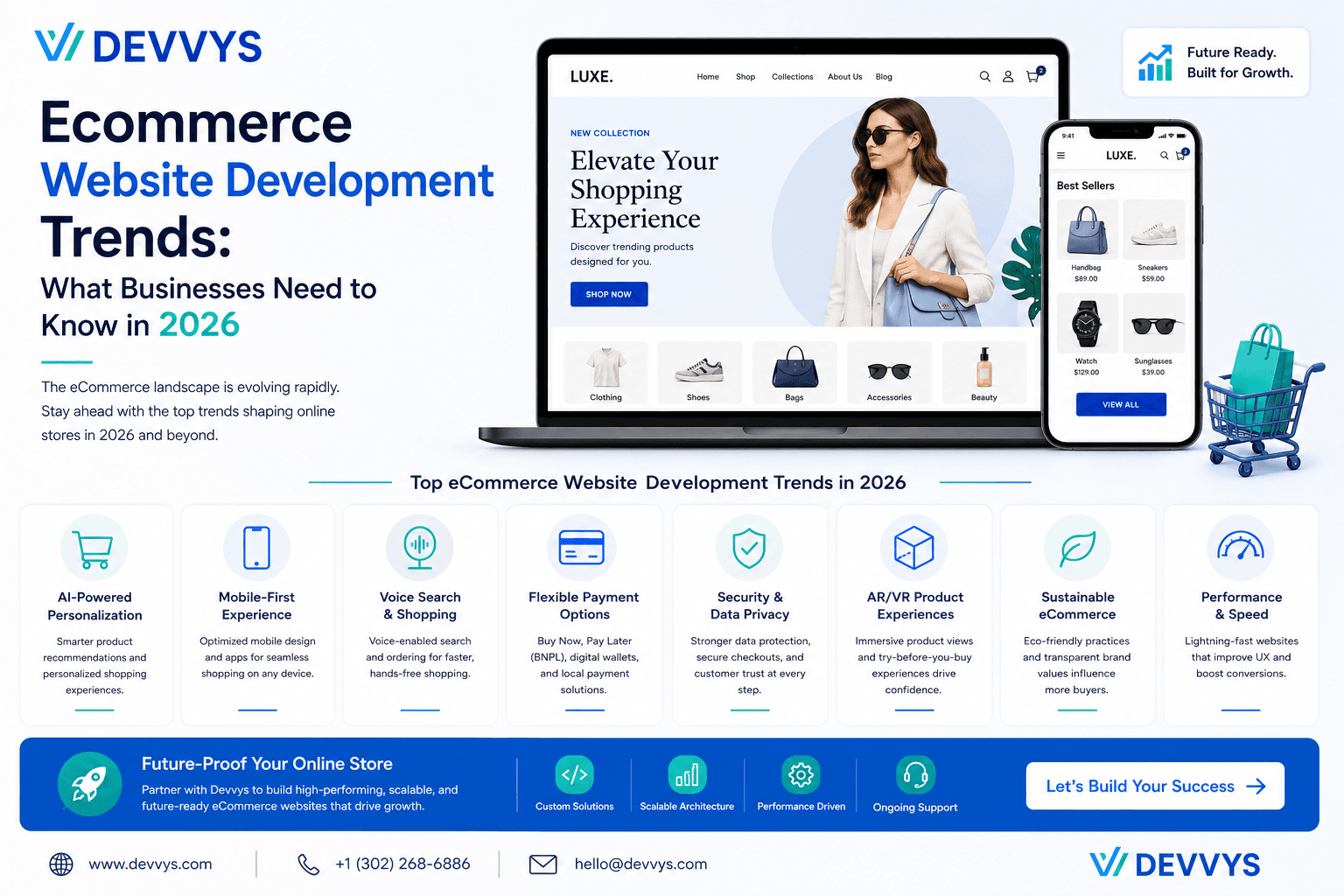
Ecommerce continues to evolve at a rapid pace, and the websites that support online selling are changing just as quickly. Businesses can no longer rely on basic storefronts and generic templates if they want to compete effectively. They need websites that are fast, flexible, mobile-friendly, and designed around customer behavior. That is why understanding e-commerce website development trends is so important for brands that want to grow online.
Modern ecommerce development is no longer just about building a site that works. It is about creating a digital experience that converts traffic into sales, supports brand trust, and adapts to changing customer expectations. The latest trends reflect this shift. Businesses are focusing more on speed, personalization, mobile design, AI, headless architecture, and conversion optimization.
This article explores the key ecommerce website development trends shaping the industry and explains why businesses should pay attention to them now.
Why Ecommerce Trends Matter
The ecommerce market is highly competitive. Customers have more choices than ever, and they expect websites to load quickly, work smoothly, and make shopping easy. If a store feels outdated or slow, users may leave within seconds.
Following development trends is not about chasing every new idea. It is about understanding what customers now expect from online shopping and building a site that meets those expectations. Businesses that adapt early usually perform better over time.
Better Trends Lead to Better Experience
When a website follows current best practices, customers enjoy a smoother experience. That often leads to better engagement and more sales.
Trends Influence Conversion
A store that is easier to use, faster to load, and more personalized is more likely to convert visitors into buyers.
Trend 1: Mobile-First Development
One of the biggest Ecommerce Website Development Trends is the continued shift toward mobile-first design. More shoppers browse and buy on their phones, so websites must be designed with smaller screens in mind from the beginning.
Why Mobile Matters
If a site works well on desktop but poorly on mobile, it will lose a large share of potential buyers. Mobile-first design ensures that pages, menus, product cards, and checkout flows are optimized for phone users.
What Mobile-First Means in Practice
This includes responsive layouts, simplified navigation, fast loading times, readable text, and easy-to-tap buttons. The goal is to make mobile shopping feel just as smooth as desktop shopping.
Trend 2: Faster Site Performance
Speed has become one of the most important factors in ecommerce success. Customers expect pages to load quickly, and even a short delay can affect bounce rates and conversions.
Why Speed Matters
A faster site keeps users engaged and helps improve search visibility. Slow ecommerce sites often lose sales before users even reach the product page.
How Developers Improve Speed
Performance improvements may include image compression, code cleanup, lazy loading, better hosting, and reduced app overload. The cleaner and lighter the website, the better it performs.
Trend 3: Headless Ecommerce
Headless ecommerce is becoming more popular among brands that want greater flexibility and control over the customer experience. In a headless setup, the front end and back end are separated, allowing developers to build more custom experiences.
Why Brands Use Headless Systems
Headless architecture can improve speed, scalability, and design freedom. It is especially useful for businesses with complex content needs or multiple sales channels.
Who Benefits Most
Larger or fast-growing ecommerce brands often benefit the most from headless development because it supports more advanced customization.
Trend 4: Personalization
Personalized shopping experiences are becoming a major part of modern ecommerce. Customers expect product recommendations, tailored content, and experiences that feel relevant to them.
Why Personalization Works
When customers see products or content that match their interests, they are more likely to engage and purchase.
How Websites Use Personalization
This can include product recommendations, dynamic homepage content, email integration, and behavior-based offers.
Trend 5: Smarter UX and Conversion Design
Ecommerce development is increasingly focused on user experience and conversion optimization. Websites are being designed not just to look good, but to guide users toward purchase more effectively.
Better UX Means Better Sales
When navigation is clear and the path to checkout is simple, customers are more likely to complete their orders.
Conversion-Focused Features
Examples include trust badges, simplified checkout, product filters, clear calls to action, and stronger product page layouts.
Final Thoughts
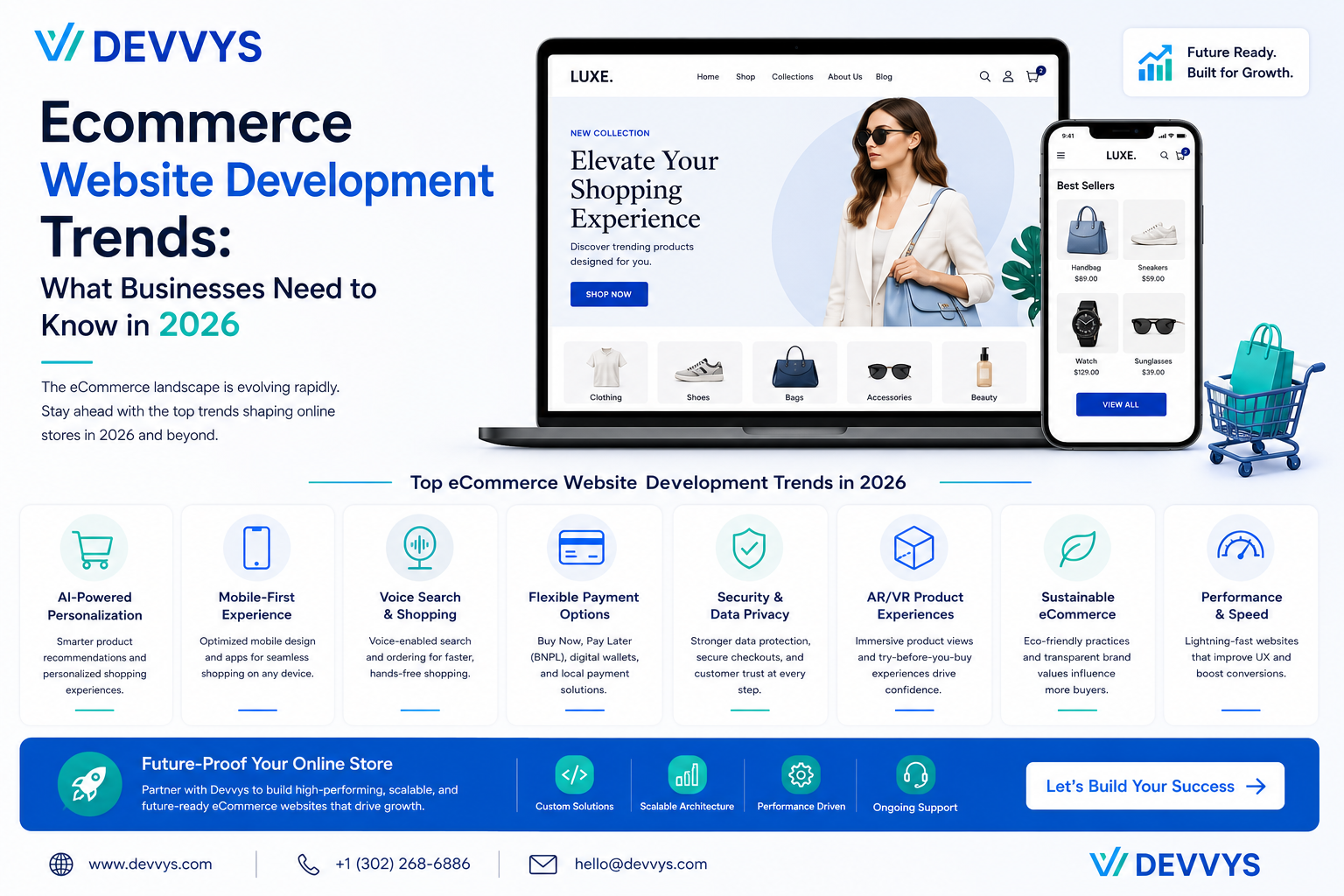
The latest Ecommerce Website Development Trends show that online stores must be faster, smarter, and more user-focused than ever before. Mobile-first design, site performance, headless architecture, personalization, and conversion-oriented UX are all shaping the future of ecommerce.
Businesses that keep up with these trends will be better prepared to compete, convert, and grow. The goal is not just to have an ecommerce website. The goal is to have a website that performs like a real business asset.