
Custom Ecommerce Development and Ecommerce Solutions for Better Store Performance
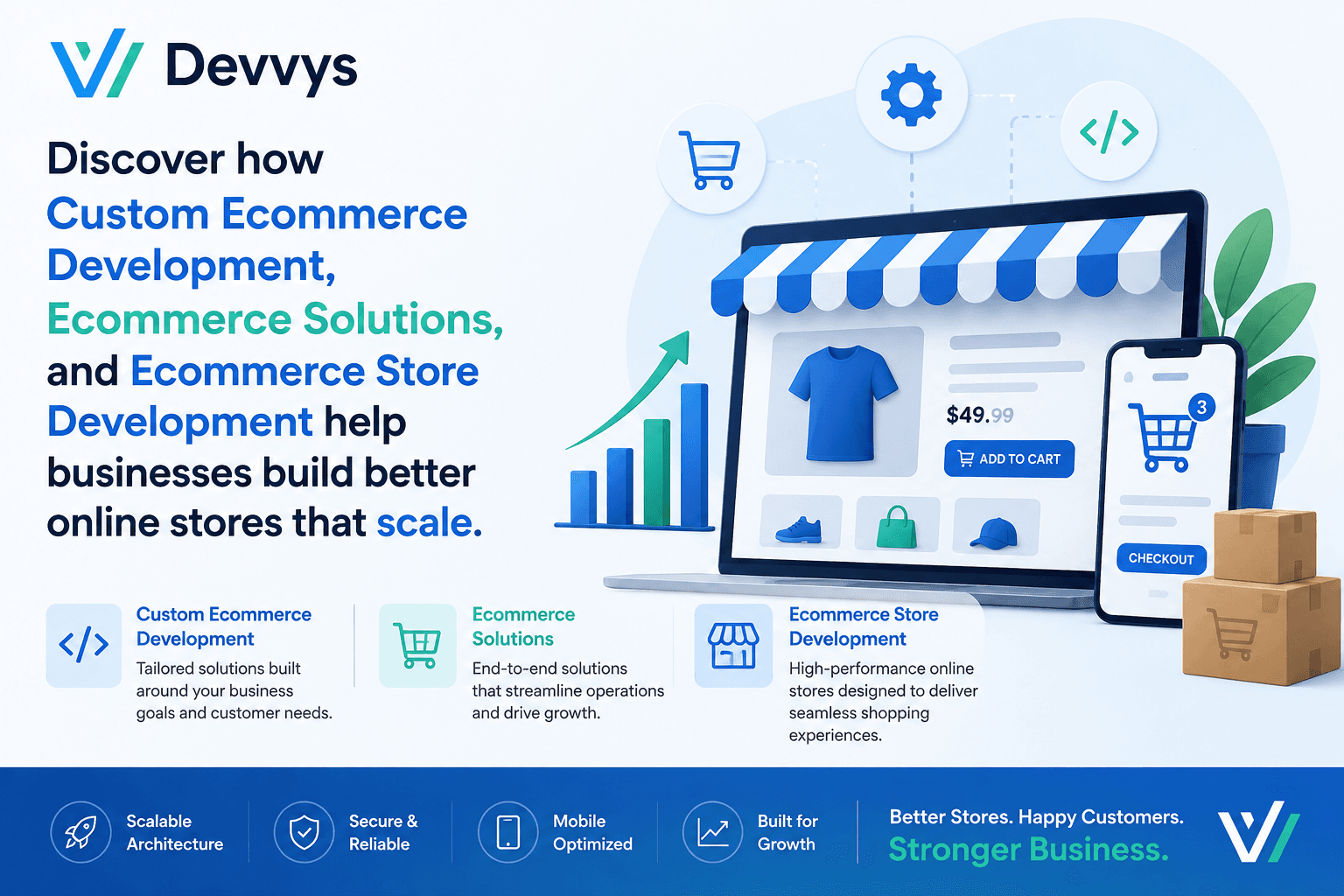
As ecommerce becomes more competitive, businesses need more than a standard online store. They need a platform that matches their goals, supports their operations, and gives customers a smooth shopping experience. That is why Custom E-commerce Development has become such an important part of digital growth. A custom-built store allows a business to shape the shopping journey instead of forcing the business to fit a generic template.
At the same time, many brands need broader E-commerce Solutions that connect design, functionality, performance, and scalability. A website is not just a storefront anymore. It is a business system that supports sales, customer service, inventory, marketing, and long-term expansion. When a company invests in the right E-commerce Store Development strategy, it creates a stronger foundation for growth and a better experience for users.
This article explains why custom ecommerce matters, what ecommerce solutions include, how store development supports performance, and what businesses should think about before building or improving their online shop.
Why Custom Ecommerce Development Matters
Every business is different. Products, audiences, buying behaviors, and internal operations all vary. A one-size-fits-all ecommerce platform may work at the beginning, but it often becomes limiting as the business grows. Custom Ecommerce Development helps businesses create a store that reflects their specific needs instead of adapting to a rigid setup.
A custom approach gives more control over design, user experience, product presentation, and technical structure. That control can lead to a better customer journey and stronger sales performance. It also helps businesses stand out in crowded markets where many stores look and function the same.
Better Fit for the Business
Custom development allows the store to match the business model. That may include unique product bundles, advanced filtering, different checkout flows, or tailored category structures.
Better Customer Experience
When the store is built around actual user behavior, customers can browse, compare, and buy more easily. That improves usability and reduces friction.
Better Long-Term Value
A custom store can be designed to grow with the business. Instead of rebuilding later, the company can expand features and functionality over time.
What Ecommerce Solutions Really Mean
The term Ecommerce Solutions covers much more than just a website. It includes all the systems and tools needed to run an online business effectively. That may involve storefront design, payment processing, shipping integration, inventory management, product data organization, automation, analytics, and more.
A strong ecommerce solution is not just about the front end. It also supports the back end, so the business can operate efficiently behind the scenes. When all parts of the system work together, the business becomes easier to manage and more capable of scaling.
Front-End and Back-End Alignment
The customer-facing site should connect smoothly with operational systems. That creates better order flow and fewer errors.
Built for Efficiency
Good ecommerce solutions reduce manual work. That saves time and helps teams focus on growth instead of repetitive tasks.
Designed for Scale
As product counts grow and orders increase, the system should remain stable and efficient. That is one reason custom solutions are so valuable.
The Role of Ecommerce Store Development
Ecommerce Store Development is the process of planning, building, testing, and refining an online store so it works well for both customers and the business. It includes everything from the layout and navigation to the technical systems behind the scenes.
Store development affects how users feel when they visit the site. If the store is slow, hard to navigate, or visually confusing, customers may leave before buying. Good development reduces those risks and creates a more polished, conversion-focused experience.
Structure Matters
The way the store is organized affects how easily customers can find products. Clear categories, logical menus, and well-designed pages all matter.
Functionality Matters
A store should do more than display products. It should make it easy to search, filter, add to cart, and checkout without problems.
Performance Matters
A fast and reliable store can improve user trust and increase the chances of a completed purchase.
Why Businesses Choose Custom Over Generic
Many businesses begin with standard templates because they are fast and affordable. That can be a good starting point, but it often creates limits later. Custom development becomes important when a business wants more control, better branding, or more advanced functionality.
Branding Needs Differ
A luxury brand, a niche retailer, and a subscription business all need different experiences. Custom development makes that possible.
Operational Needs Differ
Some stores need advanced inventory logic, special shipping rules, or unique product variations. A generic template may not support those needs well.
Growth Changes Requirements
As the business grows, the store must adapt. Custom development makes those updates easier and more strategic.
Key Elements of a Strong Ecommerce Solution
A high-performing ecommerce system is built from several connected parts. Each one plays an important role in the customer experience and business performance.
Product Pages
Product pages should clearly show images, descriptions, pricing, availability, and trust signals. They are often the most important pages in the store.
Navigation and Search
Customers should be able to move through the store easily and find what they want quickly. Good navigation supports conversion.
Checkout Flow
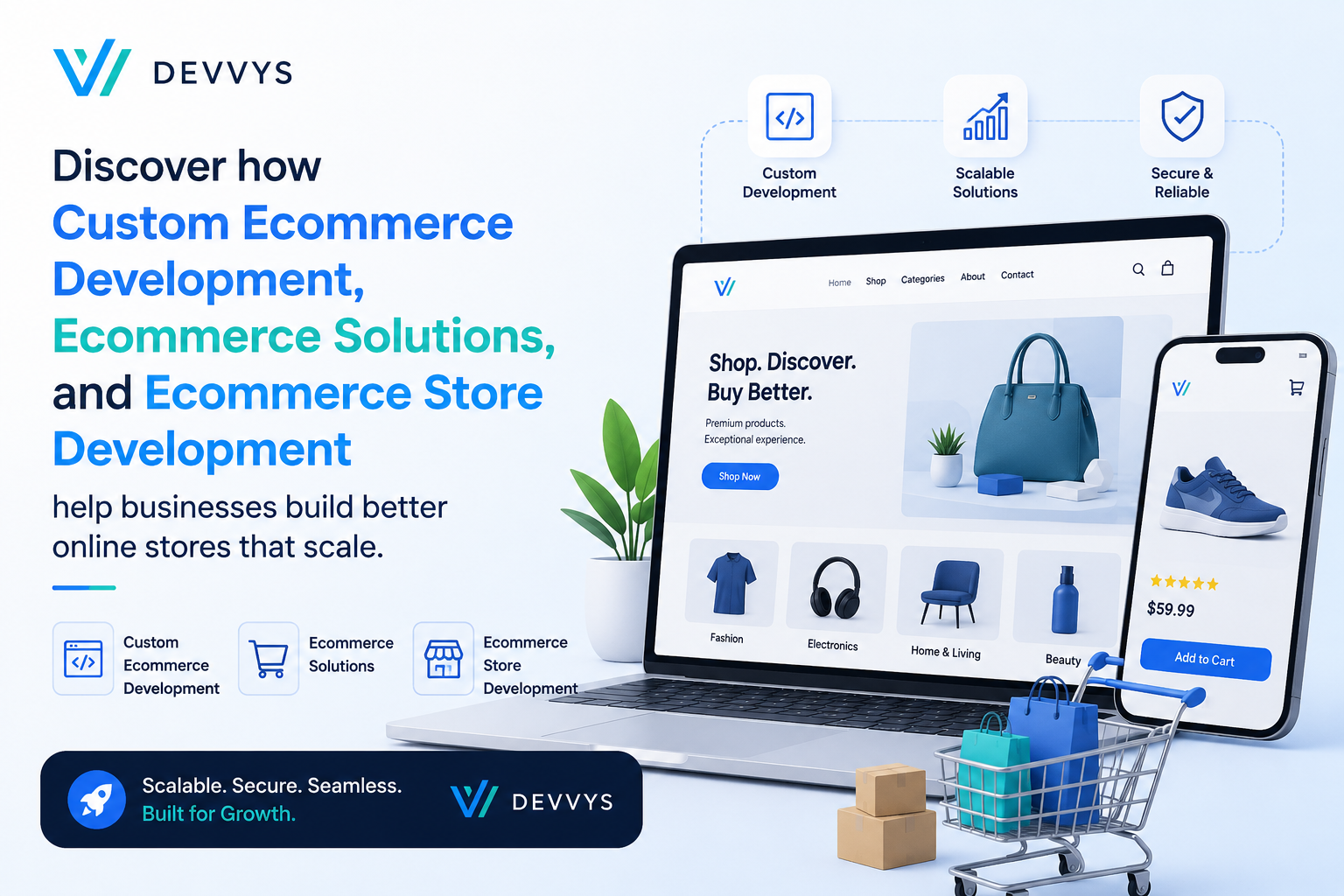
The checkout process should be smooth and simple. Every extra step can increase the chance of cart abandonment.
Mobile Optimization
Many customers shop on phones, so the store must work well on smaller screens. Mobile usability is essential.
Analytics and Tracking
Businesses need to know how visitors behave. Tracking makes it possible to improve performance over time.
How Ecommerce Store Development Supports Conversion
A well-developed store does not just look professional. It helps turn visitors into customers. That is one of the most important reasons to invest in strong Ecommerce Store Development.
The more smoothly a customer can move from product discovery to checkout, the more likely they are to buy. Development influences every one of those steps.
Reduces Friction
Good design and functionality remove barriers that might stop a purchase. That includes confusing pages, broken links, or slow load times.
Builds Trust
Customers are more likely to buy from a store that feels clean, secure, and well organized. Strong development supports that trust.
Improves Messaging
The layout and structure of the store help highlight the value of products and offers. That can increase conversions.
Common Problems in Poorly Built Stores
Not every online store is built with performance in mind. Some businesses rush through development, which creates long-term problems. These problems can hurt both sales and customer satisfaction.
Slow Loading Pages
If the site takes too long to load, visitors may leave before engaging. Speed matters.
Hard-to-Use Navigation
If customers cannot find what they need quickly, they may give up. Poor navigation creates lost opportunities.
Weak Mobile Experience
A store that works poorly on mobile will lose a large share of potential buyers.
Limited Flexibility
If the store cannot adapt to new needs, the business may have to rebuild it later.
How to Plan a Better Ecommerce Project
A successful ecommerce project starts with clear goals. Businesses should understand what they want the store to do before development begins. That could mean increasing direct sales, improving subscriptions, supporting wholesale, or creating a more branded experience.
Start With Business Objectives
The store should be designed around what the company wants to achieve, not just around aesthetics.
Define the Customer Journey
Understanding how customers browse and buy helps shape the site structure and feature priorities.
Choose the Right Features
Not every feature needs to launch immediately. Focus on the most important functionality first, then add more over time.
Why Custom Ecommerce Development Is a Long-Term Asset
Custom Ecommerce Development is not just about creating a unique-looking store. It is about building something that supports future growth, operational efficiency, and customer satisfaction. That makes it a long-term asset for the business.
As customer expectations rise and competition increases, businesses need stronger systems. A custom approach allows them to stay flexible and responsive.
Easier to Scale
A custom-built store can often grow more smoothly as the business expands.
Easier to Improve
When the structure is well planned, future updates become easier to manage.
Better Competitive Position
A custom store can help a brand stand out in a crowded market.
How Ecommerce Solutions Support the Whole Business
The value of Ecommerce Solutions goes beyond the storefront. These systems help the business manage orders, track performance, and serve customers more effectively. When the right pieces are in place, the business becomes more efficient and more capable of growth.
A strong solution helps marketing, operations, and customer service work together. That is why ecommerce should be viewed as a business system, not just a website project.
Final Thoughts
Custom E-commerce Development, E-commerce Solutions, and E-commerce Store Development are all critical for businesses that want to build stronger online stores. A custom approach gives more control, better flexibility, and a better match between the business and the shopping experience.
In a competitive market, generic setups often fall short. Businesses that invest in the right development strategy are better positioned to grow, convert more visitors, and create a store that supports long-term success.
The best ecommerce stores are built with strategy, not just templates. They are designed to perform, scale, and adapt. That is what makes custom development such a valuable investment.